
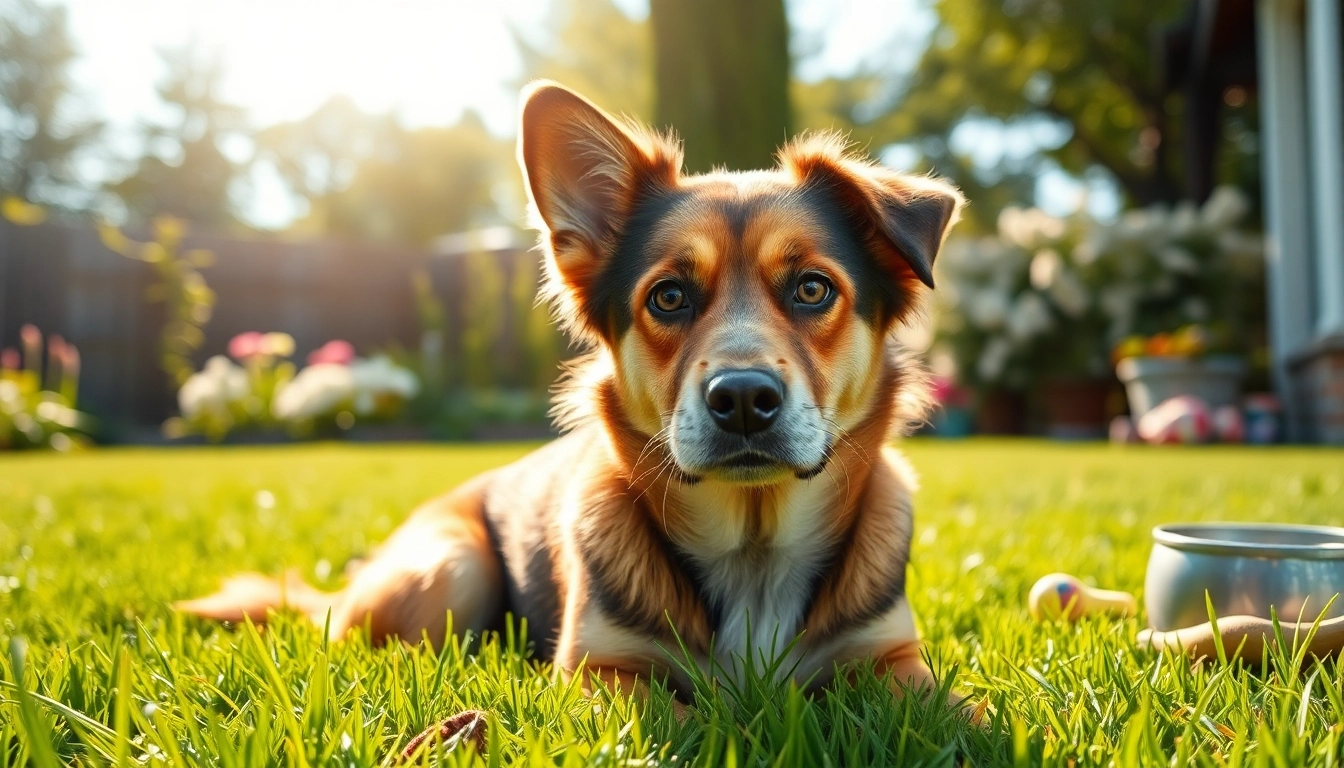
Understanding the Causes of Dog Smells Like Pee
One of the most perplexing challenges dog owners face is dealing with unpleasant odors, particularly when your beloved pet seems to emit a smell akin to urine. Understanding the root causes behind dog smells like pee can lead to better care and management strategies for your furry friend. This article delves into various factors contributing to these odors, including health, environmental, and behavioral influences.
Common Health Issues Related to Odors
When a dog smells like pee, it’s crucial to consider underlying health problems that might be at play. There are several medical conditions that can cause a dog to have urine-like odors. These health issues may include:
- Urinary Tract Infections (UTIs): One of the common culprits behind foul-smelling urine in dogs is a UTI. This condition causes inflammation, leading to a strong odor during urination.
- Diabetes Mellitus: Dogs suffering from diabetes may have a fruity or sweet odor to their urine, which can contribute to an overall unpleasant smell.
- Kidney Disease: As kidney function diminishes, the urine may become concentrated and may produce a strong odor.
- Liver Disease: In some cases, liver issues can lead to distinct smells, as non-filtered toxins can permeate the dog’s body, reflecting in its odor.
- Cushing’s Disease: This hormonal disorder can lead to excess urination, increasing the likelihood of a urine smell.
Early detection and intervention are key in managing these health issues, so if you notice a change in your dog’s smell, consult a veterinarian.
Environmental Factors that Contribute to Dog Odors
Environmental influences often play a significant role in why a dog may appear to smell like pee. Conditions surrounding the dog’s living space, hygiene, and even the pet’s lifestyle can contribute to the odor. For example:
- Dirty Living Conditions: A lack of cleanliness in areas where dogs sleep and play can trap odors. Regular cleaning of bedding, minimal grooming, and unkempt living spaces can exacerbate smells.
- Humidity and Temperature: High humidity or excessive heat can create an ideal environment for bacteria, which may worsen odor production.
- Dietary Habits: Certain foods can lead to stronger-smelling urine or feces, impacting the overall smell of the pet.
Maintaining optimal living conditions is essential for overall health and minimizing unpleasant odors.
Behavioral Reasons Behind Unpleasant Smells
Behavioral factors can also contribute to why a dog might smell like pee. Understanding your pet’s behavior is essential for managing these issues:
- Marking Territory: Dogs naturally mark their territory by urinating, especially if they are not properly trained. This can lead to unwanted odors where they frequent.
- Anxiety and Stress: Nervous dogs may urinate due to anxiety, leading to lingering smells. Pet owners should ensure a calm environment for their furry friends.
- Inappropriate Elimination: Young puppies or dogs with health issues may have accidents inside the house, leading to odors.
Behavioral monitoring and positive reinforcement can help rectify these issues.
Identifying the Specific Causes of Dog Smells Like Pee
Identifying the specific cause behind a dog’s urine-like smell requires observation and sometimes professional intervention. Here’s how you can pinpoint the exact issue.
Analyzing Urine Marking and Incontinence
Understanding whether the odor arises from urine marking or incontinence is crucial:
- Urine Marking: Marking is particularly common in males but can occur in females as well. Keep a lookout for your dog frequently peeing in the same spot.
- Incontinence: This suggests a medical issue, especially in older dogs. If your dog is dribbling urine or having accidents, it’s vital to address this promptly.
Tracking urination patterns can help clarify the reason behind the odor.
Spotting Signs of Urinary Tract Infections
Recognizing UTI symptoms is necessary for swift treatment. Look for signs such as:
- Frequent urination without producing much urine
- Straining to urinate and vocalizing discomfort
- Blood in the urine
- Excessive licking of the urinary area
If you notice any of these signs, contact your veterinarian immediately for appropriate testing and treatment.
When to Consult a Veterinarian for Persistent Odors
If the smell persists despite good hygiene and behavioral adjustments, it’s important to consult your veterinarian. Signs that indicate immediate veterinary attention include:
- Ongoing foul odor despite thorough cleaning
- Change in urine color or consistency
- Signs of distress or discomfort in your dog
Getting a professional evaluation can help rule out serious health issues and assist in finding a resolution.
Preventive Measures for Reducing Dog Odors
To prevent issues from arising, it’s essential to incorporate preventive measures into your dog’s routine that can help reduce odors. Here are effective strategies:
Importance of Regular Bathing and Grooming
Regular grooming and bathing are vital for maintaining a clean and odor-free environment. Recommendations include:
- Choose a dog-specific shampoo that neutralizes odors without being harsh on the skin.
- Brush your dog frequently to remove loose fur and dander.
- Keep their nails trimmed and ears clean to prevent bacteria or dirt buildup.
A sustainable grooming routine not only keeps smells at bay but also promotes better overall health.
Choosing the Right Diet to Influence Body Odor
Diet plays a significant role in your dog’s body odor. Foods that are low in quality or high in fillers may contribute to unpleasant odors. Opt for:
- High-quality, balanced food tailored for your dog’s breed and age.
- Consider dietary supplements that contain probiotics, which can help maintain digestive health.
- Ensure fresh water is always available to promote hydration.
A nutritious diet far surpasses in ensuring your dog has less odor overall.
Maintaining a Clean Environment for Your Pets
Clean living spaces contribute significantly to a dog’s well-being. Here’s how to keep it fresh:
- Regularly wash bedding, toys, and other items your dog frequently uses.
- Use odor-neutralizing sprays specifically designed for pets if necessary.
- Establish a cleaning routine that involves vacuuming and mopping to eliminate fur and dander buildup.
A clean environment not only limits odors but also promotes a healthier lifestyle for your pet.
Practical Solutions to Combat Dog Smells Like Pee
In addition to preventive measures, there are practical solutions available to combat any existing odors. Here are approaches that can offer immediate relief:
Home Remedies and Cleaning Techniques
If your dog has an odor reminiscent of urine, try these home remedies:
- Vinegar and Water Solution: Mix equal parts white vinegar and water to clean surfaces and neutralize odors.
- Baking Soda: Sprinkle baking soda on furniture and carpets, let it sit, and then vacuum to absorb smells.
- Enzymatic Cleaner: Use cleaners designed to break down odors at the molecular level for effective removal.
Effective home remedies can make a significant difference in managing unpleasant smells.
Professional Products for Odor Elimination
Sometimes, professional-grade products are required for odor elimination. Consider products that provide:
- Odor-neutralizing formulas specifically designed for pet-related odors.
- Miracle cleaning solutions that deep clean carpets and fabrics.
- Specialty air purifiers that capture pet odors and allergens.
Investing in these products can lead to a more comprehensive solution to odor challenges.
Behavioral Training Methods to Reduce Marking
To curb inappropriate marking behavior that might contribute to smells:
- Invest time in proper house training techniques.
- Use positive reinforcement to encourage your dog to urinate outside.
- Establish clear boundaries and training methods that discourage marking.
A well-trained dog is generally easier to care for and creates a more pleasant environment.
Creating a Healthy Routine for Your Dog
A well-structured routine can greatly influence your dog’s odor levels. Here are essential components for establishing a healthy routine:
Setting Up a Consistent Bathroom Schedule
Having a regular bathroom schedule helps to manage your dog’s urination and can reduce odors significantly:
- Take your dog out first thing in the morning, after meals, and before bedtime.
- Consistency is key; stick to the schedule even on weekends.
- Encourage outdoor bathroom breaks over indoor accidents.
This routine will not only improve odour problems but also enhance your dog’s toilet habits.
Regular Vet Check-Ups and Health Monitoring
Regular veterinary visits are invaluable for maintaining proper health and preventing odor-related issues:
- Annual check-ups can help identify health problems early.
- Discuss any changes in behavior, smell, or bathroom habits with your vet.
Regular veterinary care plays a vital role in early detection of potential health issues.
Incorporating Exercises that Promote Overall Health
Physical exercise not only keeps your dog healthy but also aids in reducing stress-induced behaviors that can lead to odors:
- Engage in daily walks, play sessions, or interactive games.
- Promote activities that stimulate mental engagement, like puzzle feeders or training sessions.
A healthy dog is less likely to have unpleasant odor issues, making exercise a vital component of a healthy routine.







Leave a Reply