
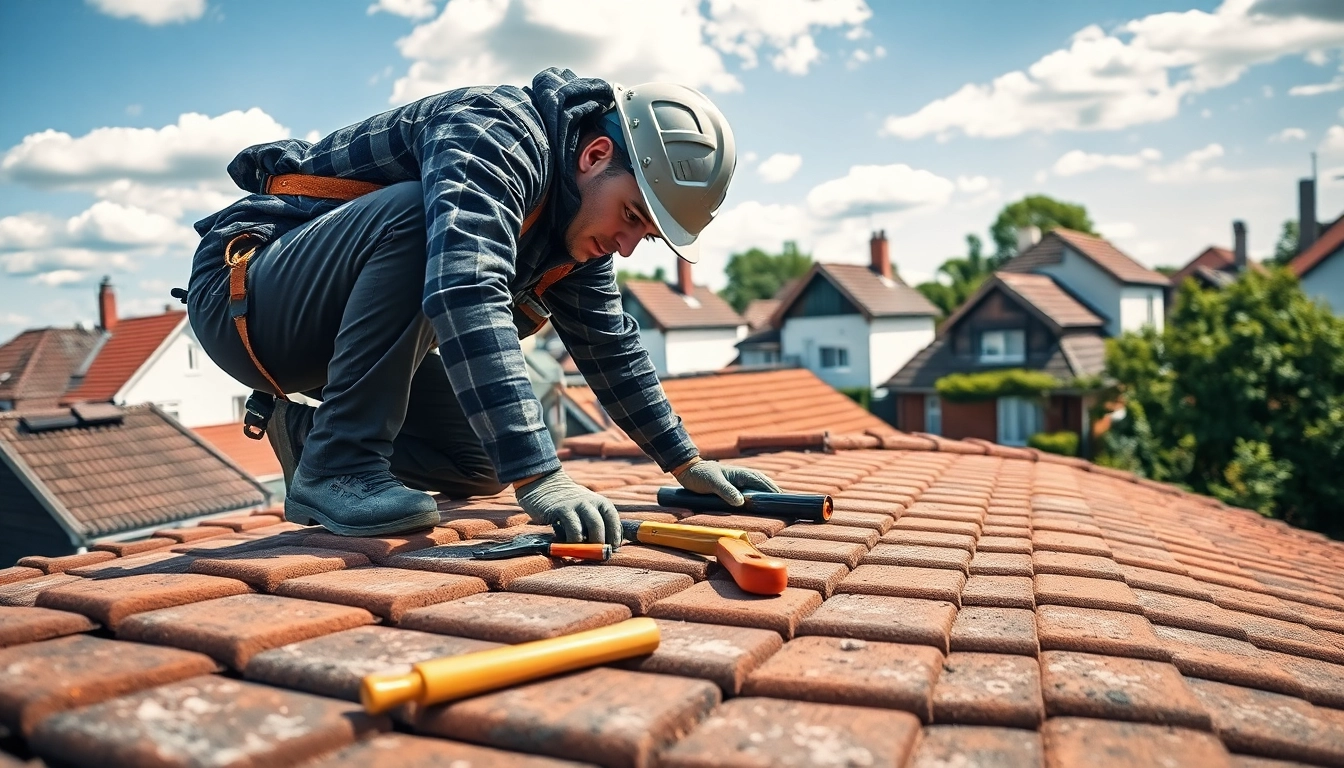
Understanding the Role of a Dakdekker in Driel
A dakdekker driel plays a crucial role in the construction and maintenance of roofs for residential and commercial buildings. This profession is not just about laying tiles or shingles; it encompasses a range of skills and responsibilities that ensure the safety, energy efficiency, and longevity of a building’s most vital protective component. In this section, we will explore what exactly a dakdekker does, the significance of hiring a qualified professional, and the essential skills and tools necessary for effective roofing work.
What Does a Dakdekker Do?
The primary responsibility of a dakdekker is to install, repair, and maintain roofs. This includes a variety of tasks such as:
- Assessing roof conditions: Dakdekkers evaluate existing roofs to determine their integrity and any potential issues.
- Installation of roofing materials: They carefully install materials like shingles, tiles, metal panels, or flat roofing systems to ensure a durable and waterproof surface.
- Repairing damages: From minor leaks to major structural issues, dakdekkers are trained to repair different types of roofing problems effectively.
- Conducting regular maintenance: Regular inspections and maintenance are crucial to prolonging the life of a roof, which is part of a dakdekker’s job.
- Emergency services: In cases of severe weather or sudden leaks, dakdekkers can provide quick and efficient emergency repair services to safeguard a property.
In summary, a dakdekker is essential for ensuring that roofs remain functional and safe, protecting the inhabitants of the building from the elements.
Importance of Qualified Roofers for Homeowners
Hiring a qualified dakdekker is vital for several reasons:
- Safety: A roof that is improperly installed or maintained can lead to severe safety hazards, including collapses or water damage that can compromise the integrity of the entire structure.
- Cost-effectiveness: Investing in skilled labor can save homeowners money in the long run by reducing the chances of costly repairs due to shoddy work or materials.
- Insurance and warranties: Many roof installation warranties are only valid if the work is done by a licensed professional, ensuring that homeowners are protected against future defects.
- Quality workmanship: Experienced dakdekkers possess the knowledge to execute roofing projects to the highest standards and with precision, often leading to superior outcomes that can weather various conditions better than DIY or unqualified work.
Key Skills and Tools of a Successful Dakdekker
The effectiveness of a dakdekker is determined by a combination of their skills and the tools they use. Some of the key skills include:
- Technical skills: Knowledge of roofing materials and techniques is essential. Understanding the properties of different roofing systems allows dakdekkers to choose the best options for each project.
- Problem-solving: Many roofing issues require actual on-site troubleshooting skills to devise quick yet effective solutions, especially during urgent situations.
- Attention to detail: Meticulousness ensures that every aspect of the roofing job meets safety and aesthetic standards, which can impact the longevity of the roof.
- Physical fitness: Roofing can be physically demanding, involving lifting heavy materials, working at heights, and maintaining stamina throughout the workday.
As for tools, a dakdekker uses a variety of equipment including:
- Safety harnesses and ropes for fall protection
- Cutting tools like saws and knives for shaping roofing materials
- Measuring tools to guarantee precision installation
- Power drills and nail guns for secure fastening
- Hammers, levels, and trowels for finishing touches
How to Choose the Right Dakdekker in Driel
Selecting the right dakdekker is crucial for your roofing project’s success. Below are some important factors to consider during your search.
Identifying Credentials and Experience
When hiring a dakdekker, ensure they have the necessary credentials. You should look for:
- Licensing: Verify that the dakdekker is licensed to operate in Driel. This ensures compliance with local building codes and safety regulations.
- Insurance: A qualified dakdekker should have liability insurance and worker’s compensation coverage. This protects homeowners from potential liabilities during the project.
- Experience: Ask about their experience with similar roofing projects. A dakdekker who has worked on various roof types will have a better grasp of how to tackle specific challenges.
- Certifications: Various manufacturers offer certifications for dakdekkers who meet their specific training and quality standards. A certified dakdekker may have advanced skill sets in working with certain materials.
Reviews and Recommendations: What’s Reliable?
Gathering reviews and recommendations plays a vital role in finding a trustworthy dakdekker. Consider the following steps:
- Online reviews: Look at platforms like Google, Yelp, and specialized trade websites where customers share their experiences. Pay attention to both positive and negative feedback.
- Ask for references: A reputable dakdekker will be happy to provide references from previous clients. Following up with these clients can offer insight into the dakdekker’s reliability and quality of work.
- Community engagement: Local dakdekkers with strong ties to the community often value their reputation highly, making them more likely to provide excellent service.
- Social media: Check their social media profiles for customer interactions and engagement. Active communication with clients can be an indicator of good service.
Cost Factors to Consider When Hiring
The cost of hiring a dakdekker can vary widely based on several factors. It’s important for homeowners to understand how these affect pricing:
- Roof size: The larger the roof, the more materials and labor involved, directly impacting costs.
- Material choice: Different roofing materials vary significantly in price. For instance, metal roofing might be more expensive upfront, but it offers durability that can save money over time.
- Complexity and accessibility of the roof: Roofs with intricate designs or those that are hard to access may require more labor, increasing installation or repair costs.
- Seasonality: Sometimes, roofing companies change their prices based on the season. Off-peak seasons may offer lower pricing, while peak times might increase overall costs.
Common Roofing Problems Addressed by Dakdekkers
Roofing issues can arise from numerous factors, including weather conditions, aging materials, and lack of maintenance. Understanding common problems can help homeowners better communicate with dakdekkers and recognize when to seek professional help.
Identifying Leaks and Damage Early
Leak detection is one of the primary roles of a dakdekker. Early identification can prevent more severe damages. Common signs of leaks include:
- Water stains on ceilings or walls
- Visible moss or algae growth on roofs
- Shingles that are cracked, curled, or missing
- Debris accumulation in gutters or alongside the roof base
Professional dakdekkers utilize techniques such as infrared thermography, visual inspections, and moisture meters to accurately locate leak sources, ensuring that repairs are made effectively.
Seasonal Maintenance by Dakdekkers
Regular seasonal maintenance is crucial for ensuring roof longevity. Dakdekkers will often carry out inspections and maintenance tasks which may include:
- Cleaning debris from gutters and downspouts
- Inspecting and sealing potential leak points
- Weatherproofing roofs before winter or storm seasons
- Removing ice dams, which can lead to leaks from the freezing and thawing cycle in winter.
By engaging dakdekkers for seasonal upkeep, homeowners can proactively manage potential issues before they escalate into costly repairs.
Emergency Repairs: What to Expect
Emergency situations can be stressful, but understanding what to expect can make the process smoother:
- A responsive dakdekker will prioritize emergency situations, ensuring immediate action is taken to prevent further damage.
- During an emergency visit, the dakdekker will assess the situation and provide temporary solutions if necessary, followed by more permanent repairs as needed.
- Expect a detailed assessment and breakdown of costs before any work is done, as transparency is vital in emergency situations.
Benefits of Working with a Local Dakdekker
Choosing a local dakdekker can offer numerous advantages that may not be available when opting for larger, non-local construction firms.
Community Trust and Local Knowledge
Local dakdekkers often have a strong understanding of the community which allows them to provide tailored services that cater to specific regional challenges such as climate conditions and common building materials used in the area. Additionally, their reputation in the community ensures a focus on providing high-quality service to maintain their standing among residents.
Responsive Service: Faster Turnaround Times
Local dakdekkers are typically more accessible and can respond quickly to inquiries and emergencies. Because they are familiar with the area, they can often assess situations and get to job sites faster than distant contractors. This can greatly reduce the time spent waiting for repairs, particularly critical in emergency scenarios.
Building Lasting Relationships
Working with a local dakdekker can lead to the development of a lasting relationship. As they become familiar with your roof and any previous repairs, the dakdekker can provide ongoing maintenance and tailor their services to your specific needs over time. Additionally, maintaining a solid relationship can lead to accountability and personalized touch in service, which is often missed with larger, national companies.
Future Trends in Roofing: What Dakdekkers Should Know
The roofing industry is continually evolving with new materials, technologies, and practices. Understanding these future trends can equip dakdekkers with the necessary knowledge to remain competitive and provide quality service.
Modern Materials and Techniques in Roofing
Innovation in roofing materials is at an all-time high. Dakota should stay abreast of advancements like:
- Eco-friendly materials: Green roofing options, such as solar tiles and sustainably sourced shingles, are becoming increasingly popular.
- Advanced insulation: Better insulation systems integrated into roofing materials that enhance energy efficiency are in demand.
- Lightweight roofing systems: New materials that reduce weight without sacrificing durability offer significant benefits in areas where roof supports might be a concern.
Environmental Considerations in Roofing Choices
Today’s consumers are more environmentally conscious, which influences their roofing material choices. Dakdekkers should advocate for sustainable practices such as:
- Utilizing materials with a low carbon footprint
- Implementing recycling programs for old roofing materials
- Emphasizing the importance of energy-efficient roofing solutions that reflect sunlight to reduce urban heat buildup
Technological Innovations: Smart Roofing Solutions
Technology is playing a more prominent role in roofing, from installation to monitoring. Important tech trends include:
- Drone inspections: Drones can provide detailed aerial assessments of roofs, allowing dakdekkers to identify issues quickly without the need for scaffolding or ladders.
- IoT roofing systems: Smart roofs equipped with sensors can monitor conditions in real-time, reporting momentary issues like leaks or weaknesses that need immediate attention.
- Inventory management software: Dakdekkers can leverage software to manage supply chains, ensuring timely access to materials and reducing overhead costs.
By being aware of and adapting to these upcoming trends, dakdekkers can better serve their clients and uphold a competitive edge in the roofing market.














Leave a Reply