
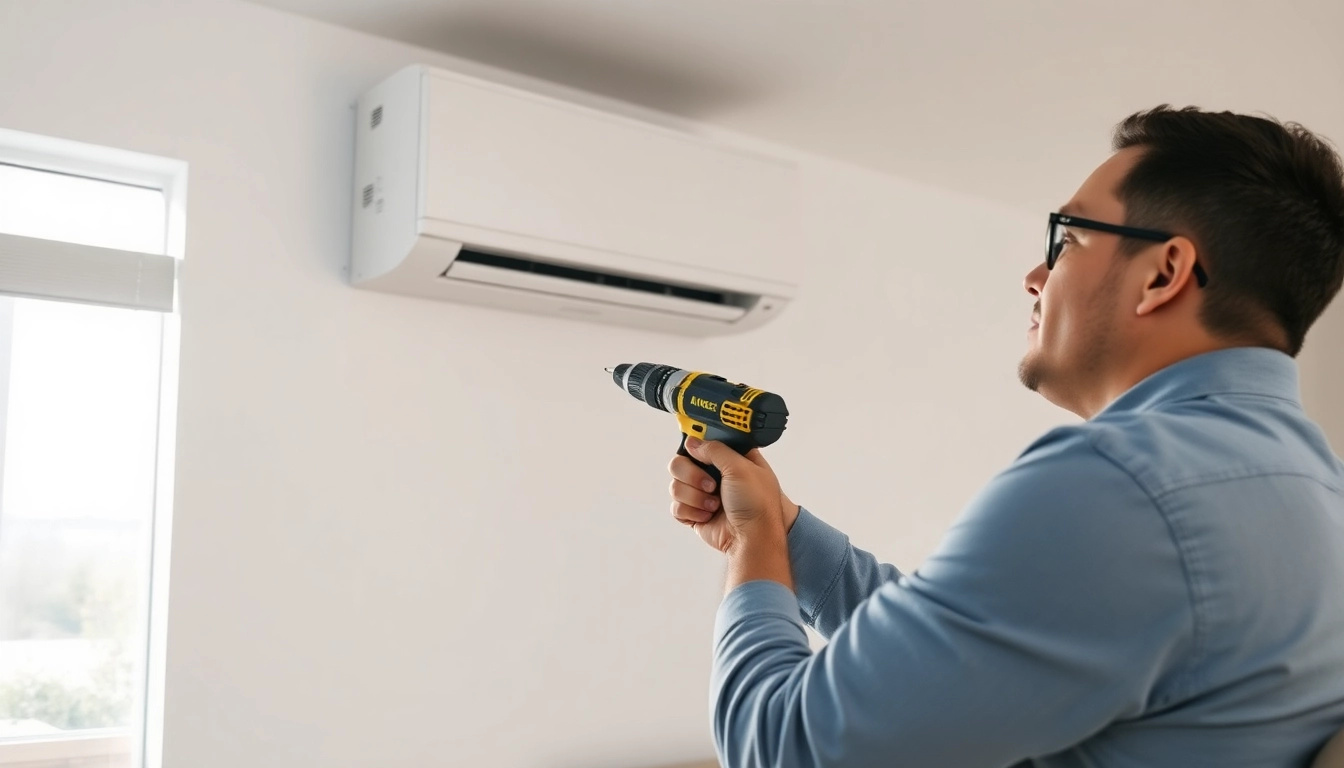
Understanding Ductless Mini Split Systems
What is a Ductless Mini Split?
Ductless mini split systems are a form of heating and cooling technology that operates without the need for ductwork. These systems consist of two main components: an indoor air-handling unit and an outdoor compressor unit. Through the use of refrigerant lines that connect the two units, ductless mini splits can efficiently transfer heat in and out of your home. This technology provides flexible options for climate control, offering precise temperature adjustments for individual rooms or zones. Their compact design and energy-efficient operation make them an optimal choice for various residential and commercial applications.
Benefits of Ductless Mini Split Installation Nashville
Choosing Ductless mini split installation Nashville comes with numerous advantages:
- Energy Efficiency: Ductless systems save energy by operating on a zone-based system, allowing users to cool or heat only the areas that are in use.
- Easy Installation: Without the need for ductwork, the installation process is straightforward, often requiring only a three-inch hole for conduit between the indoor and outdoor units.
- Flexible Design: Mini splits come in various styles that can fit any decor, including wall-mounted, ceiling-recessed, and floor-mounted units.
- Improved Indoor Air Quality: Ductless systems often include advanced filtration options that help reduce allergens and pollutants in the air.
- Quiet Operation: Compared to traditional HVAC systems, ductless mini splits operate more quietly, leading to a more comfortable environment.
Ideal Applications for Ductless Systems
Ductless mini split systems are suitable for a wide range of settings, including:
- Home Additions: Perfect for new rooms where extending existing ductwork isn’t feasible.
- Older Buildings: Ideal for properties that lack ductwork but require effective heating and cooling solutions.
- Single-Room Spaces: Great for individual rooms like home offices, nurseries, or guest bedrooms.
- Multi-Zone Heating and Cooling: Useful for homes that have varying climate control needs across different areas.
Choosing the Right System for Your Home
Factors to Consider in Ductless Mini Split Installation Nashville
When selecting the right ductless mini split system for your home, consider the following factors:
- Room Size: Evaluate the size of the areas you intend to cool or heat, as this influences the capacity and number of units needed.
- Insulation Quality: Well-insulated homes may require less powerful systems, while poorly insulated spaces may need more robust solutions.
- Climate: Consider the local climate conditions, which can affect the performance and efficiency of your system.
- Budget: Set a clear budget to help narrow down your options, factoring in installation costs and potential long-term savings.
- Future Needs: Think about whether you may want to expand the system later, which can affect your choice of equipment now.
Comparing Different Brands and Models
Not all ductless mini split systems are created equal. When comparing different brands and models, look for:
- SEER Ratings: Higher Seasonal Energy Efficiency Ratio (SEER) ratings indicate better energy efficiency.
- Warranty Options: Evaluate the warranty coverage for both the indoor and outdoor units—longer warranties often indicate better quality.
- Feature Set: Consider what additional features each model provides, such as smart technology, programmable thermostats, or enhanced filtration.
- Customer Reviews: Research user experiences and satisfaction levels to gauge reliability and expectation management for different units.
Size and Capacity Requirements
Choosing the correct size of the ductless mini split system is critical to ensure efficiency and comfort. A system that is too small will struggle to maintain the desired temperature, while one that is too large will cycle on and off excessively. Here’s how to determine capacity:
- BTU Calculation: The cooling and heating capacity of a mini split is measured in British Thermal Units (BTUs). The general recommendation is around 20 BTUs per square foot.
- Heat Loss Calculations: Conduct a heat loss/gain calculation for your space to determine the precise load required, accounting for factors like insulation, window size, and airflow.
- Zoning Considerations: If your home has different thermal dynamics in various areas, consider zoned systems that can accommodate these variations effectively.
Installation Process Overview
Tools Needed for Ductless Mini Split Installation Nashville
Installing a ductless mini split requires various tools for a successful setup, which includes:
- Drill and Drill Bits: Used for making holes in walls for piping.
- Level: To ensure that the indoor unit is mounted straight.
- Refrigerant Manifold Gauge Set: Essential for checking and managing refrigerant levels during installation.
- Vacuum Pump: Needed for removing moisture and air from the refrigerant lines before system operation.
- Wire Strippers: For connecting electrical components securely and correctly.
Step-by-Step Installation Guide
Here is a comprehensive guide to the installation process of a ductless mini split:
- Determine the location: Choose an appropriate outdoor and indoor location that maximizes airflow and minimizes noise.
- Mount the indoor unit: Securely attach the mounting bracket to the wall and hoist the indoor unit onto it.
- Install the outdoor unit: Ensure that it is on a level surface, ideally elevated to prevent water accumulation.
- Run refrigerant lines: Carefully drill holes to connect the indoor and outdoor units, ensuring a secure fit.
- Connect electrical wiring: Follow the manufacturer’s instructions to properly connect power to both the indoor and outdoor units.
- Test the system: After hooking everything up, check for leaks and ensure that the system runs correctly before finalizing the installation.
Common Mistakes to Avoid During Installation
While the installation process can be relatively straightforward, there are several common pitfalls to avoid:
- Poor Location Choice: Installing units in poorly ventilated spaces can hamper efficiency.
- Neglecting Insulation: Not properly insulating the refrigerant lines can lead to inefficiencies and energy loss.
- Ignoring Local Regulations: Always check local codes and regulations before installation to avoid fines and ensure safety.
- Improper Electrical Connections: Ensure that all electrical connections are secure, as faulty wiring can be hazardous.
Post-Installation Best Practices
Regular Maintenance Tips for Ductless Mini Splits
To keep your ductless mini split operating optimally, maintain a regular maintenance schedule that includes:
- Cleaning Filters: Check and clean the filters monthly to ensure optimal airflow and efficiency.
- Inspecting Drains: Ensure that the condensate drain is clear to prevent water buildup and potential damage.
- Outdoor Unit Maintenance: Keep the outdoor unit free of debris and vegetation to allow for proper airflow.
- Schedule Professional Checks: At least once a year, have a professional technician perform a thorough inspection and servicing of your system.
Signs Your System Needs Professional Attention
Be aware of the following signs that may indicate your ductless mini split needs professional attention:
- Strange Noises: Unusual sounds from the units may indicate mechanical issues.
- Inconsistent Temperature: If certain areas are not cooling or heating as expected, there might be an underlying issue.
- Foul Odors: Musty or burnt smells could indicate problems with wiring or mold in the unit.
- Increased Energy Bills: A sudden spike in utility costs may suggest inefficiencies in the system.
Boosting Efficiency After Installation
After installation, you can further enhance the efficiency of your ductless mini split through these tips:
- Optimize Thermostat Settings: Utilize programmable thermostats to adjust temperatures based on occupancy and time of day.
- Utilize Zoning Features: If your system has zoning capabilities, make use of them to cool specific areas as needed.
- Seal Windows and Doors: Ensure that all windows and doors are sealed to avoid conditioned air escaping.
- Insulate Ducts (if applicable): If ductwork is present in tandem with mini splits, ensure they are insulated to prevent energy loss.
Cost and Value Considerations
Estimating Costs for Ductless Mini Split Installation Nashville
The costs associated with ductless mini split installation can vary widely based on several factors, including:
- System Size and Type: Larger systems or those with additional features will typically cost more.
- Installation Complexity: If significant modifications are needed to walls or structures, expect additional costs.
- Labor Costs: Prices for professional installation vary by location and team experience.
- Permit Fees: Some regions may require permits which can add to the overall expense.
Long-Term Savings with Ductless Systems
Investing in a ductless mini split system can lead to significant long-term savings:
- Lower Energy Bills: Reduced energy consumption from high-efficiency units can lead to monthly savings.
- Minimal Maintenance Costs: Due to their simpler design compared to traditional HVAC systems, maintenance costs can be lower.
- Longevity: Ductless systems tend to have longer lifespans with proper maintenance, reducing replacement costs.
- Tax Credits and Rebates: Some systems may qualify for energy efficiency incentives, further lowering upfront costs.
Financing Options for Homeowners
For homeowners considering Ductless mini split installation Nashville, various financing options can help manage costs:
- Home Improvement Loans: Many banks and credit unions offer loans explicitly for home improvements, including HVAC upgrades.
- Manufacturer Financing: Some manufacturers provide promotional financing options or monthly payment plans through local dealers.
- Tax Incentives: Make sure to check for local and federal tax credits that can aid in offsetting the total cost of installation.
- Energy Efficiency Grants: Investigate grants available for homeowners upgrading to more efficient systems.















Leave a Reply